Silk modal is a semi-synthetic fabric that combines the luxurious qualities of silk with the practical benefits of modal fiber. This innovative textile has been gaining popularity in the fashion industry for its exceptional softness, elegant drape, and eco-friendly credentials.
Silk modal is a blended fabric that marries natural silk with modal fibers. While silk comes from the cocoons of silkworms, modal is a bio-based semi-synthetic fiber derived from beech tree pulp.
The most common composition of silk modal features approximately 15% silk and 85% modal. This ratio has proven optimal for balancing the positive attributes of both materials.
Standard silk modal typically has a weight of around 12 momme (51 GSM), making it lightweight and fluid. For applications requiring more structure or durability, thicker varieties at approximately 22 momme (95 GSM) and 36 momme (155 GSM) are available with the same composition ratio.
The momme measurement, traditionally used for pure silk, indicates the fabric's weight and density. Higher momme counts generally indicate more durable and luxurious fabrics.
Unlike cotton, which consists of single cells that can reach up to 2 inches in length, silk modal has a more complex structure. The silk component contains protein fibers produced by silkworms, while the modal portion consists of regenerated cellulose from beech trees.
Where cotton fibers are essentially dried-out remains of extraordinarily long cell walls made of cellulose, silk fibers are made of proteins called fibroin. This fundamental molecular difference contributes to silk's lustrous appearance and unique feel compared to cotton's more matte finish.
Modal fibers, meanwhile, begin as cellulose like cotton but undergo significant chemical processing that alters their structure and properties, creating longer, smoother fibers than those found naturally in cotton plants.
While cotton is primarily made of cellulose (a carbohydrate polymer of glucose), silk modal has a dual composition. The silk component consists mainly of protein polymers, specifically fibroin, which is made up of amino acids rather than glucose molecules.
The modal component, though cellulose-based like cotton, has been chemically reformed through the viscose process, resulting in a more refined cellulose structure with greater tensile strength and flexibility than cotton's natural cellulose.
This combination of protein and modified cellulose gives silk modal its distinctive properties that cannot be achieved with pure cotton or pure silk alone.
Unlike cotton, which can be genetically modified for different characteristics and colors as mentioned in the cotton article, silk modal components have different genetic origins entirely. The silk portion comes from the Bombyx mori silkworm, which has its own genetic profile influencing fiber quality.
The modal portion comes from beech trees, which have completely different genetic makeup from cotton plants. The genetic diversity in beech forests contributes to variations in modal fiber quality, though these variations are often standardized during the manufacturing process.
Unlike cotton, which can directly incorporate carbon dioxide during photosynthesis, the production of silk modal has a more complex carbon footprint that includes both the biological processes of silkworms and trees plus the industrial processes required to create modal fibers.
Silk modal offers exceptional softness that rivals and sometimes exceeds pure silk, making it incredibly comfortable for direct skin contact.
The fabric is more durable than pure silk, resisting pilling and maintaining its shape after multiple washes.
It's significantly more affordable than 100% silk, making luxury more accessible to average consumers.
Silk modal is breathable and moisture-wicking, ideal for all-season wear and temperature regulation.
The fabric requires much less intensive care than pure silk, often being machine washable on gentle cycles.
Its environmental footprint is generally smaller than fully synthetic fabrics, appealing to eco-conscious shoppers.
Despite being more affordable than pure silk, silk modal is still more expensive than many fully synthetic fabrics.
It may not have the same prestigious status as pure silk in luxury markets.
Some blends may still require special care to maintain their quality over time.
The production process, while better than many synthetics, still involves chemical processing that pure natural fibers don't require.
Depending on the blend ratio, it may not have all the thermal properties of 100% silk.
Inconsistency between manufacturers means quality can vary significantly from one product to another.
| Category | Specific Uses | Benefits |
|---|---|---|
| Sleepwear & Loungewear | Pajamas, robes, lounging sets | Comfort, breathability, temperature regulation |
| Intimate Apparel | Underwear, bras, camisoles | Softness against sensitive skin, moisture management |
| Casual Tops | T-shirts, blouses, tanks | Elegant drape, comfort for all-day wear |
| Dresses | Flowing dresses, evening wear | Beautiful movement, elegant silhouette |
| Bedding | Sheets, pillowcases, duvet covers | Cool touch, easier care than pure silk |
| Activewear | Yoga wear, performance tops | Moisture-wicking, comfort during movement |
| Accessories | Scarves, wraps, headbands | Lightweight, natural shine, smooth texture |
| Children's Clothing | Baby clothes, kids' special occasion wear | Softness, reduced allergenicity |
Micromodal represents the finest and most luxurious variety of modal fibers available today. When blended with silk, it creates an exceptionally premium fabric.
Micromodal fibers are even finer and softer than standard modal, resulting in a silk blend that feels incredibly smooth and gentle against the skin.
The manufacturing process for micromodal is more refined, producing thinner fibers that create fabrics with enhanced drape and an almost liquid-like flow.
Silk micromodal blends are particularly prized for intimate apparel and high-end sleepwear due to their unparalleled softness and comfort.
This premium variety offers enhanced breathability and moisture management, making it ideal for luxury activewear and undergarments.
While more expensive than standard modal silk blends, micromodal silk represents the pinnacle of this fabric technology.
Silk modal occupies a middle ground between natural and synthetic fabrics. Pure silk is entirely natural, coming from silkworm cocoons, while modal is considered semi-synthetic.
Modal fibers start with natural cellulose from beech trees but undergo chemical processing to transform the wood pulp into textile fibers.
The resulting blend is neither fully natural nor fully synthetic, but rather a hybrid that combines properties of both.
Most environmental classifications consider modal a "bio-based" fiber, acknowledging its natural origins despite the processing involved.
This semi-synthetic nature allows silk modal to bridge the gap between performance and sustainability in modern textiles.
As textile technology advances, silk modal is increasingly positioning itself as a viable alternative to pure silk for many applications.
Its improved durability and easier care make it more practical for everyday luxury items that would be impractical in pure silk.
For fashion applications where drape and feel are paramount, high-quality silk modal blends can satisfy many of the same aesthetic requirements.
Cost considerations make silk modal more accessible to mainstream markets, potentially broadening the appeal of silk-like fabrics.
However, for certain traditional and cultural uses, nothing can fully replace the historical significance and specific properties of pure silk.
The future likely holds space for both materials, with silk modal serving more practical daily applications while pure silk maintains its place for special occasions and heritage items.
In terms of softness, many consumers report that high-quality silk modal (especially micromodal blends) feels softer than pure silk against the skin.
The sustainability comparison is more complex. Silk production requires raising silkworms and harvesting their cocoons, often killing the moths inside, raising ethical concerns for some consumers.
Modal production uses renewable beech trees but requires chemical processing that creates some environmental impact, though modern closed-loop systems minimize this.
Water usage tends to be lower for modal production than for traditional silk, which requires water for both mulberry cultivation and silk processing.
The biodegradability of both materials is good, with pure silk decomposing more readily in natural conditions than modal fibers.
Overall, silk modal often represents a practical compromise between the luxury of silk and the practicality and reduced environmental impact of modern cellulosic fibers.
As textile technology continues to evolve, silk modal stands as an example of how traditional luxury can be reimagined for contemporary needs and values.
Journal
UR Silk Atelier
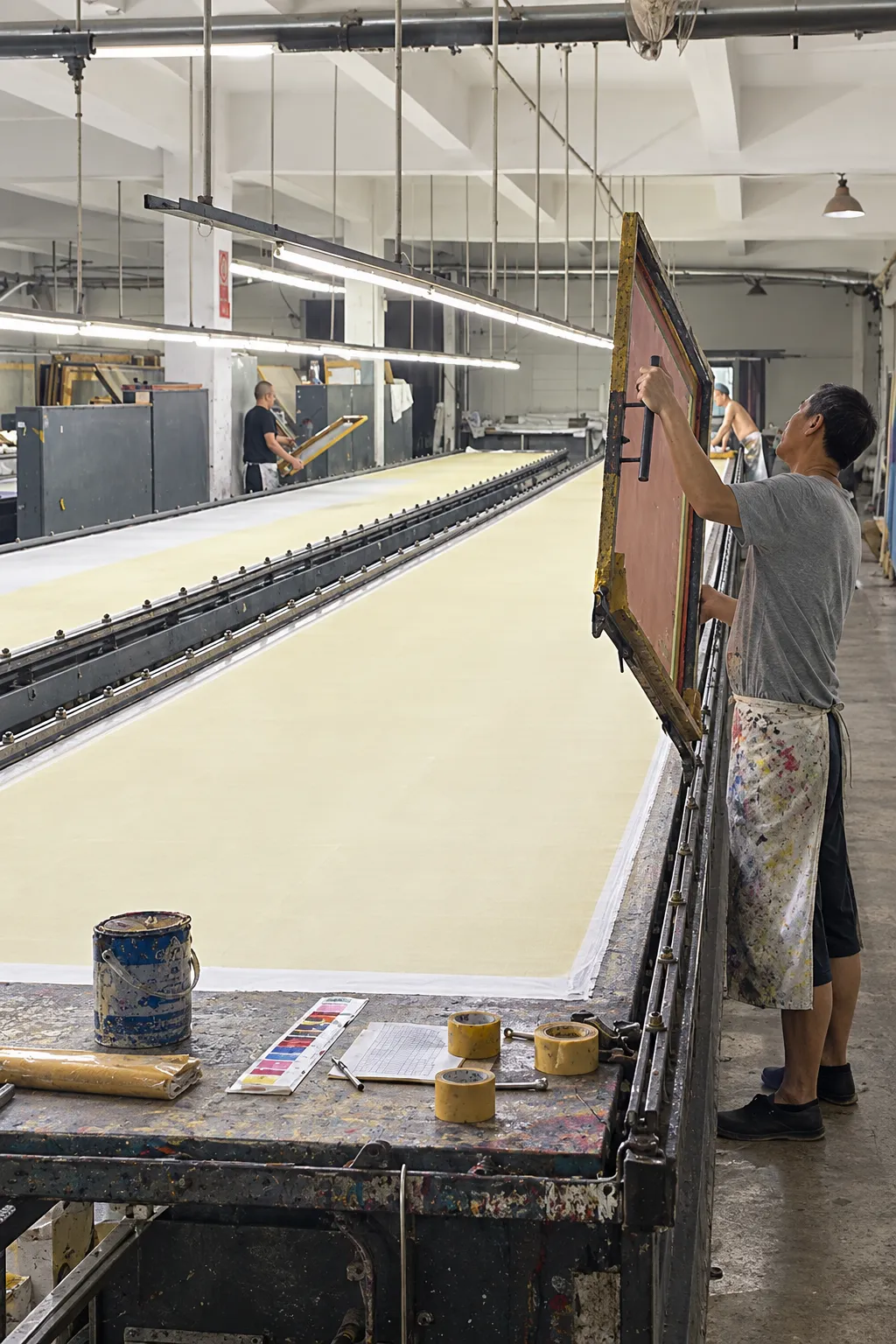
Made to order in our Hangzhou factory since 2011.
Free quote · Reply within 48 hours
Tell us about your custom scarf
Share your design, fabric and quantity. We'll reply with a quote, fabric suggestions and sample timing.