Organza is a lightweight, sheer fabric with a crisp, smooth texture. It originated in the Middle East, with the name "organza" derived from the Turkic word "organzin," which refers to a type of silk thread. Organza fabric gained popularity in Europe during the 18th century and has since become a staple in fashion and home décor.
Organza is known for its unique physical properties, which contribute to its distinct appearance and feel. The fabric is incredibly lightweight and transparent, with a stiff, crisp texture that holds its shape well. These characteristics make organza ideal for creating voluminous, structured garments and adding a touch of elegance to any project.
The transparency of organza allows for layering and creating depth in designs, while its ability to hold shape makes it perfect for creating ruffles, pleats, and other structural elements. The fabric's crisp texture also adds a touch of sophistication and formality to any garment or home décor item.
Traditionally, organza was made from silk fibers, which contributed to its luxurious feel and high price point. Silk organza is still considered the most prestigious and sought-after type of organza, thanks to its natural sheen, softness, and drape.
However, modern organza can also be made from synthetic fibers such as polyester or nylon, which offer more affordable options and easier care instructions. These synthetic alternatives can closely mimic the appearance and texture of silk organza while providing improved durability and resistance to wrinkles and stains.

One of the most striking features of organza is its texture and appearance. The fabric has a smooth, glossy surface that reflects light, creating a subtle sheen. The crisp, stiff texture of organza allows it to hold its shape and create volume, making it a popular choice for full skirts, ruffles, and other structured designs.
Despite its stiff texture, organza is incredibly lightweight, making it comfortable to wear and easy to work with. The fabric's light weight allows for the creation of flowing, ethereal garments that drape beautifully on the body.
The transparency of organza adds to its versatility, as it can be used to create delicate, sheer layers or as an overlay to add depth and dimension to a garment. This transparency can also be used to create interesting visual effects, such as revealing hints of the underlying fabric or skin.
The manufacturing process for organza involves several steps, from fiber production to weaving and finishing treatments. Each step plays a crucial role in creating the unique characteristics and quality of the final product.
The first step in creating organza is to produce the fibers. Silk organza is made from the cocoons of silkworms, which are carefully unwound to create long, fine threads. The silk fibers are then twisted together to create a stronger, more durable yarn.
Synthetic organza fibers, such as polyester or nylon, are created through a chemical process that involves extruding the material through small holes to create fine, continuous filaments. These filaments are then stretched and cooled to create a strong, stable fiber.
Once the fibers are produced, they are woven into fabric using a plain weave technique. In a plain weave, the warp and weft threads alternate over and under each other in a simple crisscross pattern. The threads used in organza are tightly twisted, which contributes to the fabric's crisp, stiff texture.
The weaving process for organza requires precise tension control and specialized equipment to ensure a consistent, high-quality result. The tightness of the weave and the fineness of the threads used can vary depending on the desired weight and transparency of the final product.
After weaving, organza fabric may undergo various finishing treatments to enhance its appearance and performance. These treatments can include dyeing, printing, or applying special coatings to improve stain resistance or water repellency.
Dyeing organza involves applying color to the fabric using either natural or synthetic dyes. The dyeing process can be done at various stages of production, such as before the fibers are woven (yarn dyeing) or after the fabric is woven (piece dyeing).
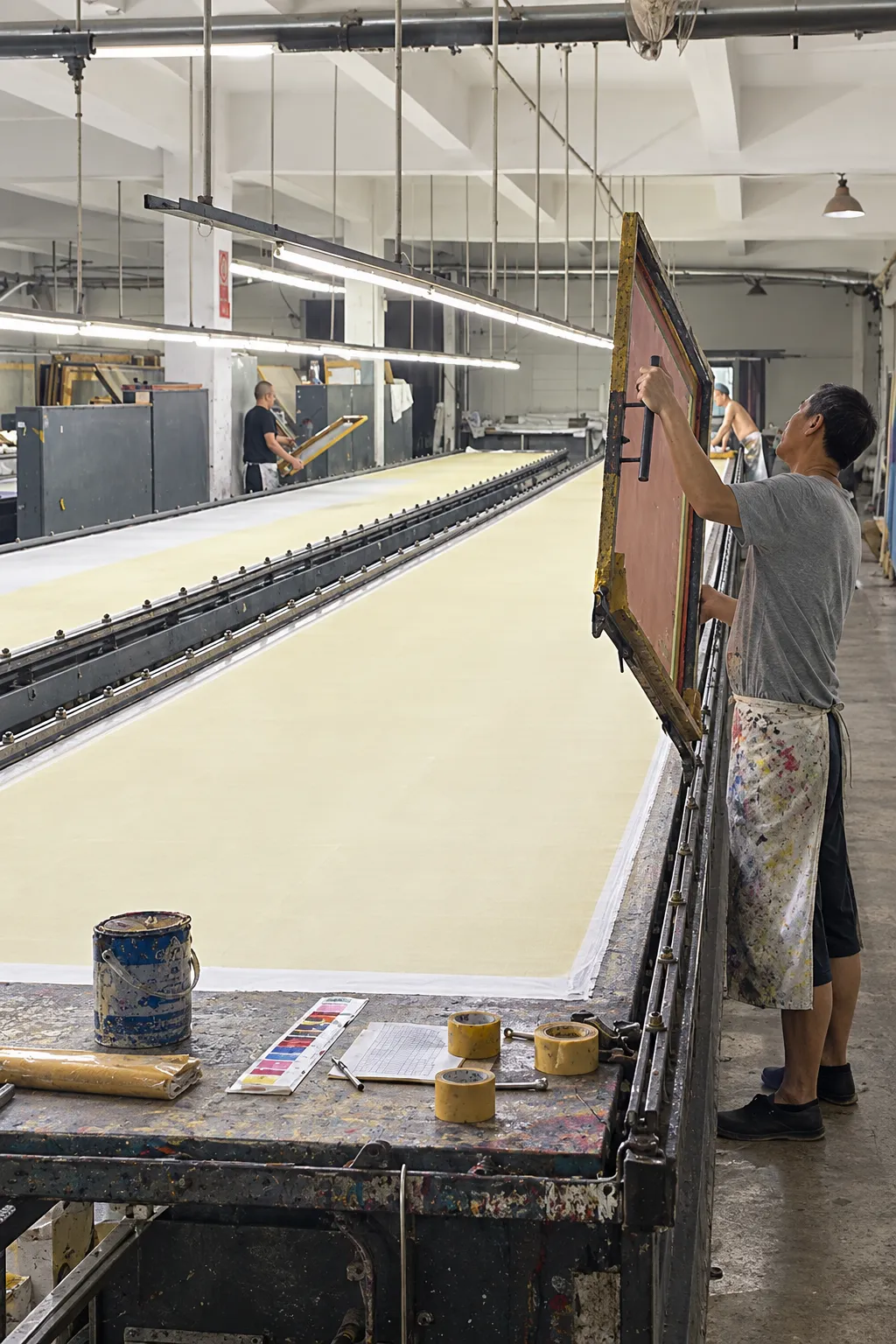
Printing techniques, such as screen printing or digital printing, can be used to apply patterns or designs to organza fabric. These techniques allow for a wide range of creative possibilities and can add visual interest to the fabric.
Special coatings, such as water-repellent or stain-resistant finishes, can be applied to organza fabric to enhance its performance and durability. These coatings can help protect the fabric from damage and make it easier to clean and maintain.

There are several types of organza fabric available, each with its own unique characteristics and uses. The most common types include pure silk organza, synthetic organza, and modern blends.
Pure silk organza is the most luxurious and expensive type of organza. It is made from 100% silk fibers, which give it a soft, smooth texture and a beautiful drape. Silk organza is often used for high-end fashion and bridal wear.
The natural properties of silk, such as its strength, elasticity, and moisture-wicking abilities, make pure silk organza a desirable choice for luxury garments. The fabric's inherent beauty and elegance also contribute to its popularity in the fashion industry.
Synthetic organza, made from polyester or nylon, is a more affordable alternative to silk organza. It has a similar appearance and texture but is more durable and easier to care for. Synthetic organza is popular for everyday clothing, costumes, and home décor projects.
Polyester and nylon organza offer excellent resistance to wrinkles, shrinking, and stretching, making them ideal for garments that require frequent wear and washing. These synthetic fabrics also have a higher resistance to fading and damage from sunlight compared to natural fibers.
Some modern organza fabrics are made from a blend of natural and synthetic fibers, such as silk and polyester. These blends offer the best of both worlds, combining the luxurious feel of silk with the durability and affordability of synthetic fibers.
Blended organza fabrics can provide a more accessible option for those who desire the look and feel of silk organza but may not have the budget for pure silk. These blends can also offer unique texture and drape combinations that are not possible with single-fiber fabrics.

Organza fabric has a wide range of uses, from fashion and apparel to home décor and industrial applications. Its versatility and unique properties make it a popular choice across various industries.
Organza is a popular choice for fashion and apparel, particularly for formal and special occasion wear. Its lightweight, transparent quality makes it ideal for creating delicate blouses, full skirts, and flowing dresses. Organza is also used for details such as ruffles, overlays, and embellishments.
In addition to evening wear and formal attire, organza can be used for lightweight summer garments, such as sundresses and sheer tops. The fabric's crisp texture and ability to hold shape also make it suitable for structured pieces like tailored jackets and full skirts.
Organza is a staple in wedding and formal wear, often used for bridal gowns, bridesmaid dresses, and other special occasion attire. Its crisp, structured texture and ability to hold shape make it perfect for creating voluminous skirts and intricate details.
In bridal fashion, organza is frequently used for overlays, veils, and decorative elements like bows and flowers. The fabric's transparency and light-reflecting properties add a touch of elegance and romance to wedding attire.
In home décor, organza is used for a variety of applications, such as curtains, table runners, and decorative accents. Its sheer, lightweight quality allows natural light to filter through while still providing a touch of elegance and sophistication.
Organza curtains can add a soft, romantic ambiance to a room while maintaining a light and airy feel. The fabric's crisp texture also makes it ideal for creating structured window treatments, such as balloon shades or pleated panels.
Organza also has various industrial applications, such as in the production of sieves, filters, and insect netting. Its fine, tightly woven structure makes it suitable for these technical uses.
In the food industry, organza is used for straining and filtering liquids, such as in the production of cheese and spirits. The fabric's fine mesh allows for the separation of solids and liquids while maintaining a high level of purity.

Proper care and maintenance are essential to keep organza fabric looking its best. The specific care instructions will depend on the fiber content and any applied finishes.
The care instructions for organza depend on the fiber content. Silk organza should be dry cleaned or hand washed in cold water with a mild detergent. To hand wash silk organza, use a gentle swishing motion and avoid rubbing or wringing the fabric, as this can cause damage.
Synthetic organza can usually be machine washed on a gentle cycle, but it is always best to refer to the care label for specific instructions. Use a mild detergent and avoid bleach or fabric softeners, which can damage the fibers.
To store organza, it is important to keep it away from direct sunlight and heat, as these can cause the fabric to yellow or become brittle over time. Fold the fabric gently and store it in a cool, dry place, ideally wrapped in acid-free tissue paper to prevent damage.
Avoid storing organza in plastic bags or containers, as these can trap moisture and lead to mildew or discoloration. Instead, use breathable storage options like cotton garment bags or fabric-lined boxes.

The organza market is a significant part of the global textile industry, with a wide range of suppliers, manufacturers, and retailers. Understanding the market dynamics and trends can help businesses and consumers make informed decisions.
Organza fabric is produced worldwide, with major manufacturing hubs in countries such as China, India, and Italy. Each region has its own unique techniques and traditions for creating organza, contributing to the diversity of the global market.
China is the largest producer and exporter of organza fabric, known for its high-quality silk and synthetic organza at competitive prices. India is also a significant player in the organza market, with a long history of silk production and a growing synthetic organza industry.
The price of organza fabric varies depending on factors such as fiber content, quality, and manufacturing location. Pure silk organza tends to be the most expensive, while synthetic organza offers more affordable options. Blended fabrics fall somewhere in between, providing a balance of quality and cost.
Luxury fashion brands and high-end retailers often use pure silk organza in their collections, commanding premium prices for their garments. Mass-market retailers and online marketplaces offer a wide range of synthetic and blended organza fabrics at more accessible price points.
The organza market is influenced by various trends, including the growing demand for sustainable and eco-friendly fabrics, the popularity of vintage and retro styles, and the increasing use of organza in non-traditional applications such as industrial filtration and insect netting. As the market evolves, manufacturers and retailers must adapt to meet the changing needs and preferences of consumers.
One notable trend is the rise of organic and fair-trade silk organza, which appeals to consumers who prioritize sustainability and ethical production practices. Manufacturers are also experimenting with new fiber blends and finishes to create organza fabrics with enhanced performance and functionality.
In conclusion, organza fabric is a versatile and sophisticated material with a rich history and a wide range of applications. Its unique properties, such as its crisp texture, transparency, and ability to hold shape, make it a valuable asset in fashion, home décor, and industrial settings. By understanding the different types, manufacturing processes, and care requirements of organza, consumers and businesses can make informed choices and fully appreciate the beauty and potential of this remarkable fabric.
Journal
UR Silk Atelier
Made to order in our Hangzhou factory since 2011.
Free quote · Reply within 48 hours
Tell us about your custom scarf
Share your design, fabric and quantity. We'll reply with a quote, fabric suggestions and sample timing.