Bandanas have been a staple accessory for centuries, serving both practical and fashion purposes. From their humble beginnings to their current status as a fashion icon, the history of bandanas is a fascinating journey through time and cultures. In this article, we'll explore the evolution of bandanas and how they have become an integral part of our wardrobes.
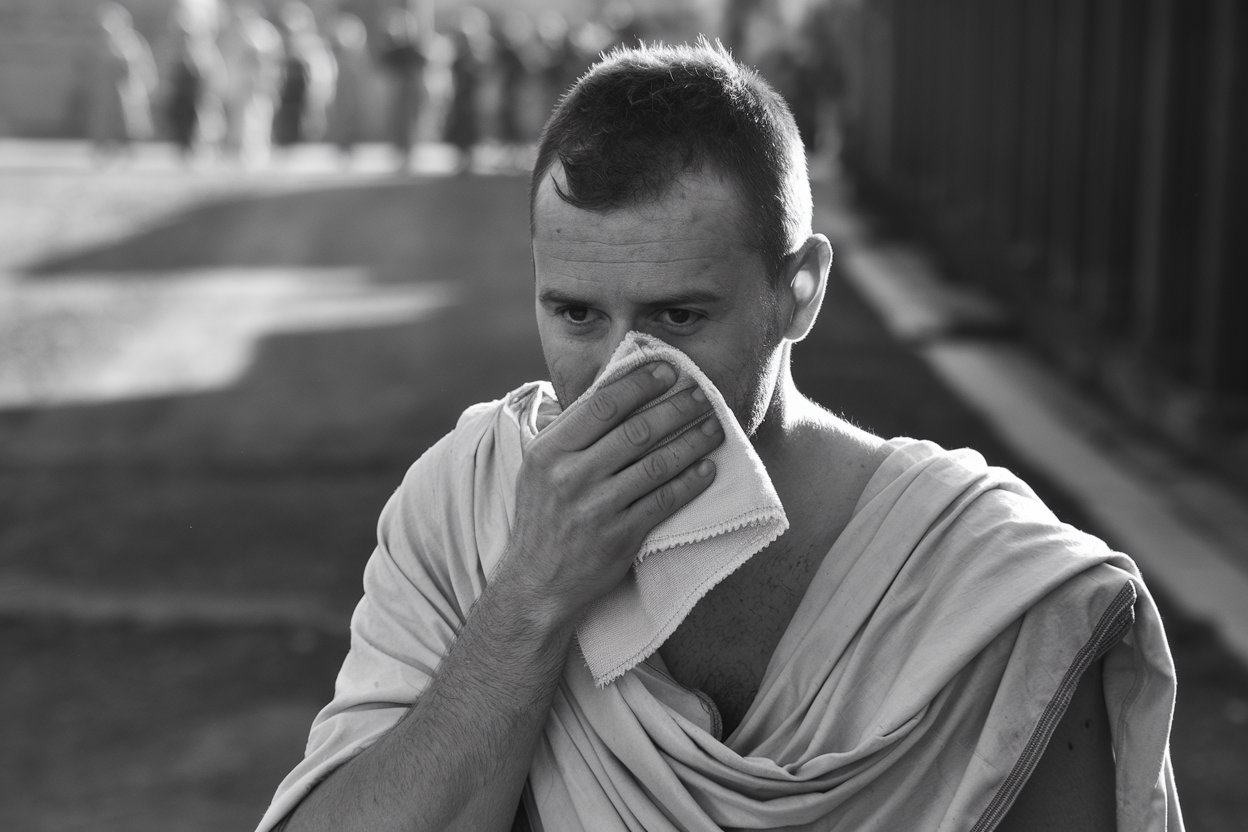
The word "bandana" is derived from the Hindi word "bāṅdhnū," which means "to tie." The earliest known predecessor of the bandana dates back to ancient Egypt, where dyed cloth squares were used for decorative purposes. In ancient Rome, cloth napkins called "sudaria" were used to wipe sweat from the face and neck, serving a similar purpose to modern bandanas.
In South Asia, the precursor to the bandana was the "gamchha," a thin, woven cotton towel used for various purposes, such as wiping sweat, filtering water, and even as a makeshift bag for carrying goods.
As trade routes expanded during the Silk Road era, the popularity of bandanas spread throughout Asia and Europe. Silk bandanas, in particular, became highly sought after for their luxurious feel and vibrant colors. These early bandanas were often decorated with intricate patterns and designs, reflecting the cultural influences of the regions they passed through.
During this time, bandanas also served practical purposes for travelers and merchants, such as protection from the sun and dust, as well as a means of signaling one's affiliation or social status.
The Industrial Revolution of the 18th and 19th centuries brought about significant changes in the production and availability of bandanas. With the advent of mechanized textile manufacturing, bandanas could be produced on a larger scale and at a lower cost. This made them more accessible to the general population and contributed to their widespread use.
The introduction of new dyes and printing techniques also allowed for a greater variety of colors and patterns, further enhancing the appeal of bandanas as a fashion accessory.
Throughout the 19th and early 20th centuries, bandanas became closely associated with the working class. Laborers, farmers, and cowboys often used bandanas for practical purposes, such as wiping sweat, filtering dust, or protecting their necks from the sun. The durability and versatility of bandanas made them an essential accessory for those engaged in manual labor.
The association with the working class also contributed to the bandana's image as a symbol of rebellion and nonconformity, as it was often worn by those who rejected traditional societal norms.
In the United States, bandanas became an iconic symbol of the American West. Cowboys, outlaws, and frontier settlers often wore bandanas and streetwear for both practical and stylistic purposes. The classic paisley pattern, which originated in Persia, became particularly popular during this era and remains a staple design for bandanas today.
The popularity of Western films and television shows in the mid-20th century further cemented the bandana's place in American popular culture, as characters like John Wayne and Clint Eastwood were often seen sporting the accessory.

Throughout the 20th and 21st centuries, bandanas have been adopted by various cultural and social movements as a symbol of identity and solidarity. From the labor movement to the LGBTQ+ community, bandanas have served as a means of expressing one's beliefs and affiliations.
It's worth noting that certain bandana colors have been associated with specific groups or ideologies, and wearing them can sometimes be seen as a sign of allegiance or support. For example, red bandanas have been linked to gang affiliations in some parts of the United States, while white bandanas have been used by some far-right groups. It's essential to be aware of these associations and avoid wearing colors that may be misinterpreted or cause unintended offense.
From their ancient origins to their current status as a fashion icon, bandanas have undergone a remarkable journey through history. Their versatility, durability, and cultural significance have made them a beloved accessory for generations. Whether worn for practical purposes or as a fashion statement, bandanas continue to be an important part of our wardrobes and a reflection of our individual style and identity.
Journal
UR Silk Atelier
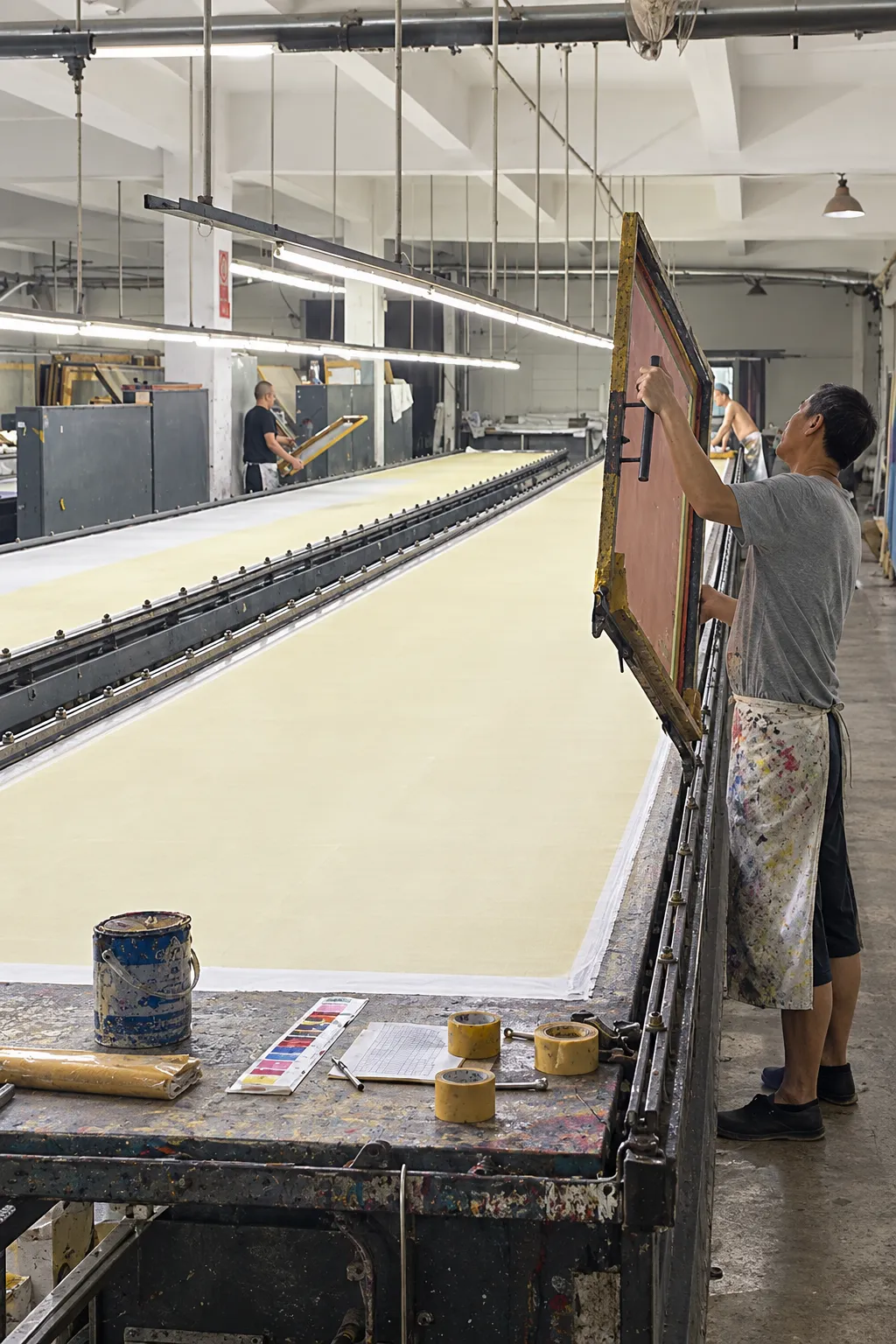
Made to order in our Hangzhou factory since 2011.
Free quote · Reply within 48 hours
Tell us about your custom scarf
Share your design, fabric and quantity. We'll reply with a quote, fabric suggestions and sample timing.