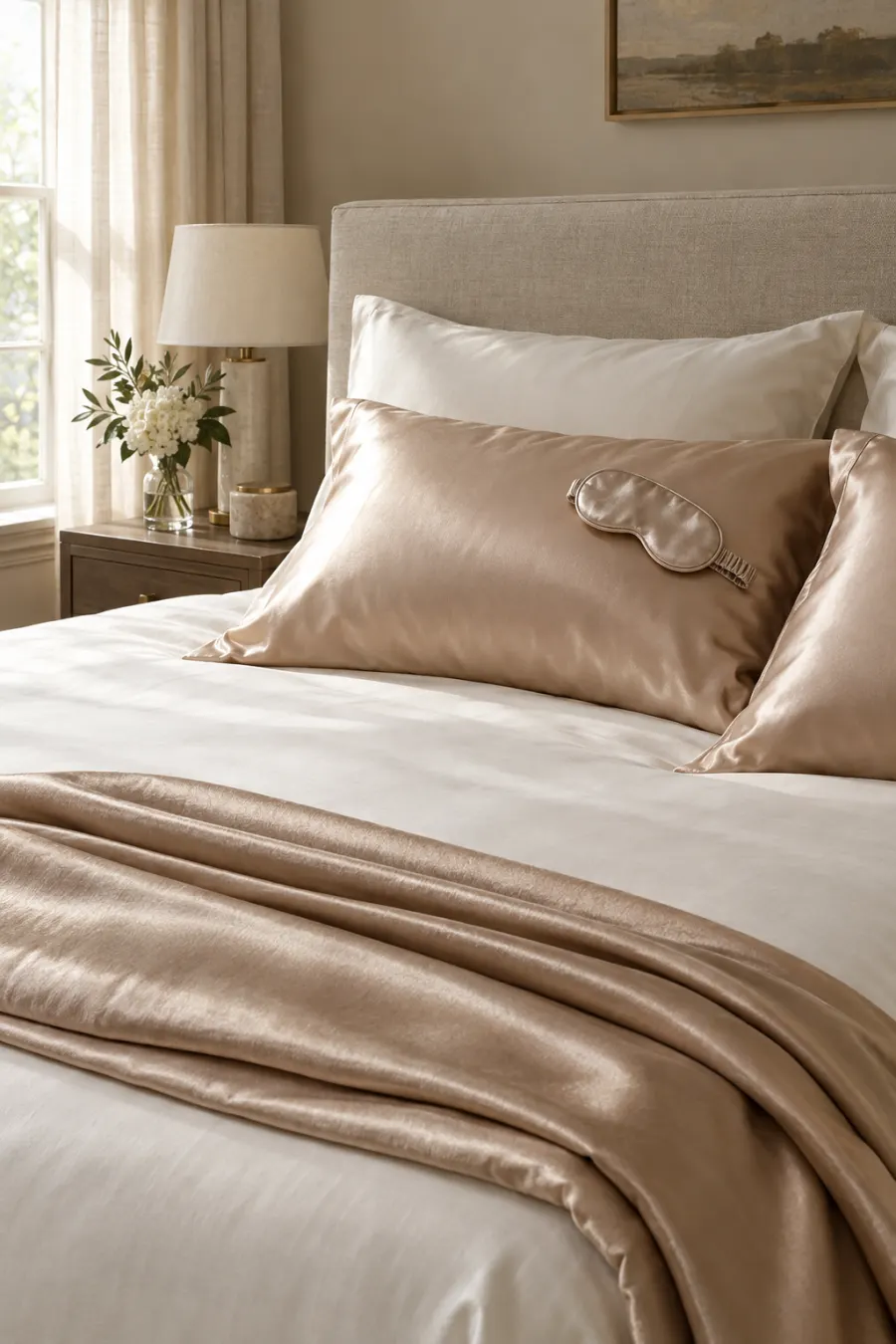
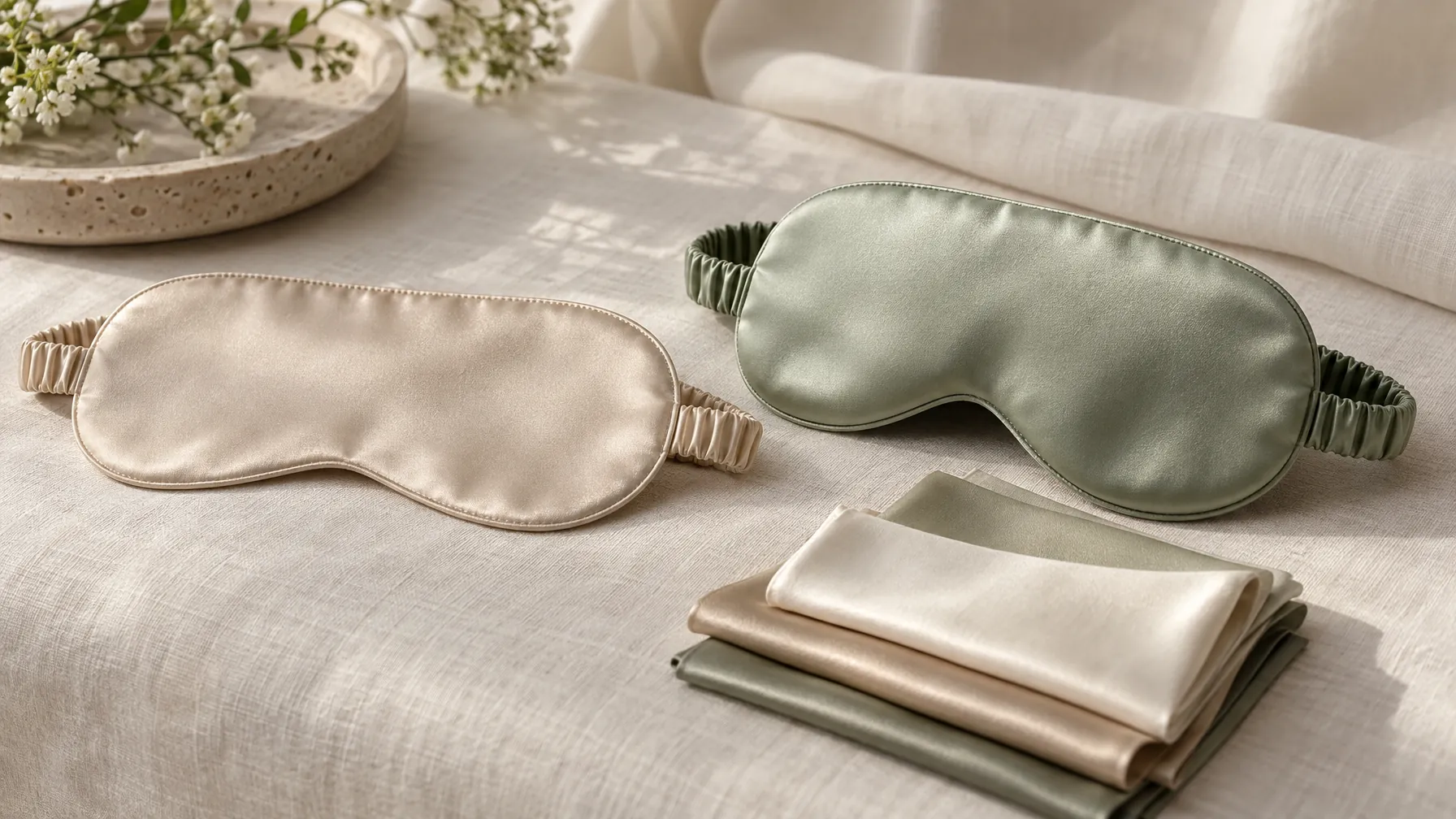
Silk cotton fabric represents an innovative textile that combines the luxurious qualities of silk with the practicality of cotton. This hybrid fabric has gained popularity worldwide for its unique properties and versatility.
Silk cotton fabric is a blended textile made from combining silk and cotton fibers. The most common composition available in the market is 30% silk and 70% cotton.
Other ratios are also used, such as 25% silk and 75% cotton, 35% silk and 65% cotton, 45% silk and 55% cotton, or even a 50-50 blend.
It's worth noting the distinction between "silk cotton" and "cotton silk" fabrics. While often used interchangeably, silk cotton fabric primarily contains more silk fibers with fewer cotton fibers.
Cotton silk contains a higher proportion of cotton fibers compared to silk. However, in practice, the specific ratio matters more than the terminology in determining the fabric's characteristics.
The history of silk cotton fabric reflects human ingenuity in textile development. One of the earliest instances appeared in ancient India, where archaeologists found examples in the Indus Valley Civilization.
India still preserves a traditional textile called Chanderi, made by blending silk and cotton.
In the 1800s, limitations in available fibers led people to develop hybrid fabrics. Manufacturers worked to combine the best characteristics of different fibers to create new materials.
After numerous experiments, various hybrid fabrics emerged, with "cot-silk" becoming one of the most popular.
Silk cotton fabric inherits beneficial properties from both component fibers, creating a textile with exceptional qualities.
Silk is naturally one of the strongest fibers in the world, with tensile strength comparable to steel wire of similar thickness. Unlike many other fibers, silk doesn't yield before breaking and exhibits superior strength compared to cotton and nylon.
When combined with cotton's natural durability, silk cotton fabric achieves an impressive balance of strength and softness. The cotton component improves resistance to wear and tear, while silk adds flexibility.
Silk has excellent flexibility, allowing fibers to withstand significant deformation while maintaining their shape. This combination creates a fabric that maintains its structure over extended periods of use.
Silk is highly absorbent, capable of absorbing up to 30% of its weight in moisture without feeling damp, giving it excellent moisture-wicking properties.
Meanwhile, cotton enhances the overall breathability of the fabric. Together, these fibers create a textile that efficiently wicks moisture away from the skin.
The fabric dries relatively quickly compared to pure cotton, maintaining comfort even in humid conditions. Its structure allows proper air circulation, preventing the clammy feeling often associated with synthetic fabrics.
Silk cotton fabric excels at temperature regulation, making it comfortable year-round. Silk functions as an excellent insulator while remaining breathable, whereas heat escapes more easily through pure cotton.
In warmer weather, the fabric draws moisture away from the body and promotes evaporative cooling. This prevents the buildup of heat and sweat, keeping the wearer comfortable.
During cooler conditions, the fabric provides natural insulation and traps warmth close to the body. It maintains comfort without the excessive bulk of heavier fabrics.
Both silk and cotton are renowned for their compatibility with sensitive skin. The fabric is naturally hypoallergenic since both fibers are free from chemical components that could cause allergies.
The silk component provides a smooth surface with minimal friction against the skin, reducing irritation. Silk has a pH level similar to human skin, making it non-irritating for most people.
Silk contains amino acids and proteins that interact positively with human skin. This makes silk cotton fabric especially suitable for those with skin sensitivities or conditions.
Silk cotton fabric offers exceptional aesthetic qualities that enhance its appeal. The silk component provides a natural sheen and luster that elevates the fabric's visual appearance.
The combination creates a uniquely soft hand-feel that's gentle against the skin. The fabric flows and drapes beautifully, making it ideal for clothing items.
Despite its strength, silk cotton fabric remains lightweight and comfortable for extended wear. It moves with the body rather than restricting movement.
The blend offers numerous practical advantages beyond its physical properties. The fabric shows impressive versatility, suitable for diverse applications from clothing to home textiles.
Silk naturally accepts and holds dyes beautifully, while cotton provides stability. This results in vibrant, long-lasting colors that resist fading over time.
The fabric functions well across seasons and climate conditions, making it a versatile choice for various uses. It requires less specialized care than pure silk while offering greater luxury than pure cotton.

Producing silk cotton fabric involves combining silk and cotton manufacturing processes. Silk production begins with harvesting from silkworm cocoons, while cotton comes from cotton plants.
The process uniquely combines animal and plant resources. Manufacturers carefully nurture silkworms in optimal environments for silk production.
Cotton grows on plants before careful harvesting. Typically, only the highest quality silk and cotton get selected before weaving together to form the final fabric.
Silk cotton fabric serves various purposes:
| Category | Applications | Benefits |
|---|---|---|
| Clothing | Party wear, festival attire, casual clothing, blouses, shirts | Sophisticated appearance, comfort for all-day wear, elegant drape |
| Home Textiles | Bed sheets, cushion covers, sofa covers, curtains | Durability with luxury feel, comfortable texture, aesthetic appeal |
| Fashion Industry | Designer collections, seasonal fashion shows | Versatility, visual appeal, good color retention |
| Accessories | Scarves, shawls, wraps, headbands, pocket squares | Lightweight, good drape, skin-friendly, temperature regulating |
Maintaining silk cotton fabric involves straightforward practices:
Use mild detergent and avoid harsh chemicals like bleach. Wash gently with lukewarm or cold water without vigorous rubbing or wringing.
After washing, gently absorb moisture with a towel. Place the fabric in a shaded area to air dry, away from direct sunlight.
Iron the fabric at a low temperature or using the "silk" setting.
The environmental footprint of silk cotton fabric depends on specific production methods for both components. As a blend of natural fibers, it generally proves more environmentally friendly than purely synthetic alternatives.
Silk cotton fabric represents a beautiful marriage between two of history's most important textiles. By combining silk's luxurious feel with cotton's durability, this hybrid offers consumers the best of both worlds.
Its versatility, comfort, and relatively easy maintenance have contributed to its enduring popularity. Whether in clothing, home furnishings, or other applications, silk cotton fabric continues to be valued worldwide.
The fabric exemplifies how combining traditional materials can create something with unique benefits that neither component provides alone.
Yes, cotton silk offers good quality with a balance of luxury and practicality. It provides silk's softness and sheen with cotton's durability and ease of care. Quality varies based on the ratio of materials and manufacturing standards.
Cotton is a 100% natural fiber from cotton plants, known for durability, breathability, and easy care. Silk cotton blends silk and cotton fibers, offering more softness and sheen than pure cotton while maintaining some durability and easier care than pure silk.
Cotton silk fabric combines cotton and silk fibers in a woven textile. It typically contains more cotton than silk (often 70% cotton/30% silk), offering a practical fabric with some luxury qualities. It balances comfort, appearance, and maintenance requirements.
Silk cotton is fully natural. Both components come from natural sources - silk from silkworm cocoons and cotton from cotton plants. Unlike polyester or nylon blends, silk cotton contains no synthetic materials unless specifically added.
Silk cotton is sometimes called "cot-silk" or simply "cotton silk." In some regions, it goes by specific traditional names like "Chanderi" in India, which refers to a particular type of silk-cotton blend with regional significance.
A cotton and silk mix fabric generally goes by "silk cotton" or "cotton silk." The names sometimes reflect the dominant fiber (cotton silk having more cotton, silk cotton having more silk), though terminology varies by manufacturer and region.
Silk cotton may shrink slightly when washed, particularly in hot water. The cotton component contributes most to potential shrinkage. To minimize this, wash in cold or lukewarm water, avoid high heat when drying, and follow care instructions for your specific fabric blend.
Journal
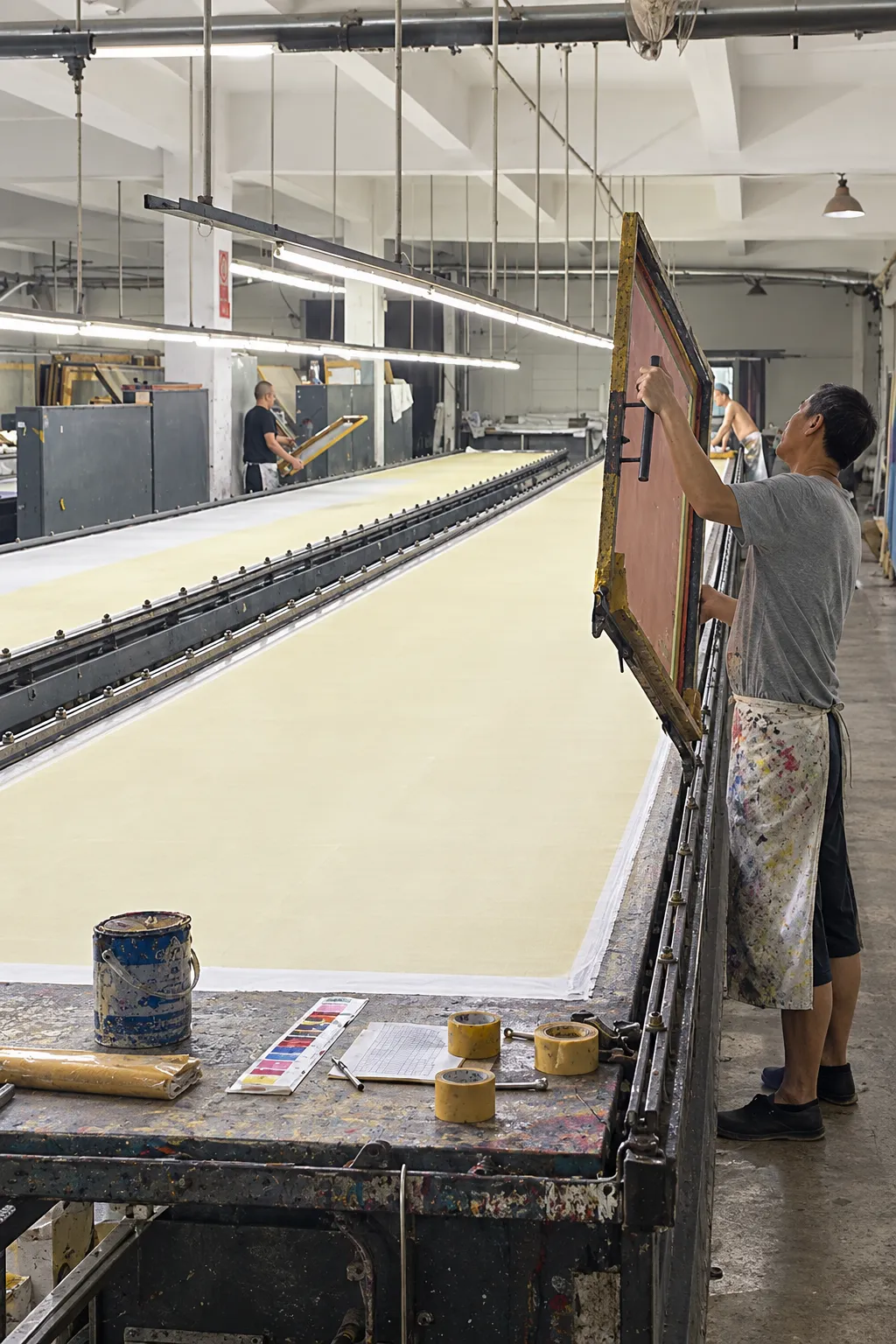
UR Silk Atelier
Made to order in our Hangzhou factory since 2011.
Free quote · Reply within 48 hours
Tell us about your custom scarf
Share your design, fabric and quantity. We'll reply with a quote, fabric suggestions and sample timing.