
Georgette is a lightweight, sheer fabric known for its delicate, crinkled texture and flowing drape. Named after the early 20th-century French dressmaker Georgette de la Plante, this versatile textile is made from highly twisted yarns that create a slightly puckered surface.
Typically woven from silk or synthetic fibers like polyester, georgette fabric offers a combination of softness, durability, and elegance. Its distinctive crepe-like texture sets it apart from other sheer fabrics, making it a popular choice for both formal and casual attire.
Georgette's unique properties allow it to hold shape well while maintaining a fluid, graceful appearance. This characteristic makes the fabric particularly suitable for creating flowy garments such as blouses, dresses, and scarves.

Georgette fabric comes in various types, each with unique characteristics and applications. The primary types of georgette include:
| Type of Georgette Fabric | Description |
|---|---|
| Pure Silk Georgette | Made from 100% silk fibers, pure silk georgette fabric offers the highest quality and luxurious feel. It is lightweight, breathable, and has a soft, lustrous appearance, often used in high-end garments like wedding dresses and evening gowns. |
| Polyester Georgette | A synthetic alternative to silk georgette, this fabric shares similar properties, including lightweight construction and crinkled texture. It is more affordable and durable, making it popular for everyday wear and mass-produced clothing. |
| Viscose Georgette | Made from regenerated cellulose fibers, viscose georgette offers a balance between natural and synthetic materials. It has a soft drape and is often used in blouses, dresses, and scarves. |
| Crepe Georgette | This type features a more textured surface due to highly twisted yarns. It has a matte finish and is often used in formal wear and bridal gowns. |
| Double Georgette | A heavier variant created by using two layers of fabric twisted together. It offers increased opacity and durability while maintaining the characteristic drape of georgette. |
| Faux Georgette | Made from synthetic fibers designed to mimic silk georgette, faux georgette is more affordable and easier to care for than pure silk georgette. |
| Jacquard Georgette | This type features intricate woven patterns created using a jacquard loom. It offers unique texture and visual interest while maintaining lightweight properties. |
| Printed Georgette | Printed georgette fabrics are popular for creating vibrant garments using various printing techniques like digital printing, screen printing, and block printing. |
| Embroidered Georgette | Decorative embroidery on georgette base fabric, commonly used in traditional Indian garments such as sarees and lehengas. |
| Chikankari Georgette | A specialized type of embroidered georgette fabric featuring intricate white-on-white embroidery typical of the Lucknow region in India. |
Georgette fabric possesses distinct characteristics that set it apart from other textiles. The fabric's unique properties contribute to its popularity in various applications, particularly in fashion and garment manufacturing.
Georgette fabric features a lightweight and sheer construction. The material's delicate nature results from its thin, fine threads and loose weave. This structure allows light to pass through, creating a semi-transparent appearance. The sheerness of georgette fabric makes it an excellent choice for layered clothing, overlays, and garments designed for warm weather.
The texture of georgette fabric is notably crinkled and slightly rough. This crinkled surface is a result of the fabric's twisted yarns, which create a pebbled or grainy feel. The textured appearance adds visual interest and depth to garments made from georgette fabric.
Georgette fabric exhibits excellent draping qualities. The material flows gracefully and conforms to the body's contours, making it ideal for creating fluid, feminine silhouettes.
Breathability is another key characteristic of georgette fabric. The loose weave structure allows air to circulate freely, enhancing comfort and making it suitable for warm climates.
Georgette fabric possesses a moderate amount of stretch, providing comfort and ease of movement when worn. The fabric's elasticity is particularly beneficial in fitted garments, allowing for a comfortable range of motion without compromising shape retention.
Georgette fabric is available in a wide range of colors and prints. The material takes dyes well, allowing for vibrant and long-lasting color results. Printed georgette fabric, including floral patterns and digital prints, is popular for creating eye-catching garments.
The fabric's versatility extends to its ability to be embellished. Embroidered georgette fabric, sequin georgette fabric, and beaded georgette fabric are common variations that add decorative elements to the already attractive base material.

Georgette fabric emerged in the early 20th century, revolutionizing the textile industry with its unique properties. French dressmaker Georgette de la Plante is credited with creating this lightweight, sheer fabric in the 1900s. The georgette fabric material quickly gained popularity among fashion designers and consumers alike due to its distinctive texture and versatility.
Initially, georgette fabric was made exclusively from silk, making it a luxury item reserved for high-end garments. Silk georgette fabric became a staple in haute couture, particularly for evening wear and special occasion dresses. As the demand for georgette fabrics grew, manufacturers began experimenting with different fibers to create more affordable alternatives.
In the 1930s, man-made fibers like rayon, and later polyester in the 1950s, led to the development of faux georgette fabric. This innovation made georgette more accessible to a wider audience, allowing for its use in ready-to-wear clothing. Polyester georgette fabric and poly georgette fabric became popular choices for mass-produced garments, offering similar draping qualities to silk georgette at a fraction of the cost.
The 1950s and 1960s saw a surge in georgette fabric's popularity, particularly in the form of georgette fabric sarees. Indian textile manufacturers embraced the material, incorporating it into traditional garments and creating intricate designs such as banarasi georgette fabric and chikankari georgette fabric. This fusion of Western textile technology with Eastern craftsmanship led to the creation of unique styles that remain popular to this day.
As textile manufacturing techniques advanced, new variations of georgette emerged. Double georgette fabric, characterized by its increased weight and opacity, became a favored choice for formal wear. Crepe georgette fabric, with its slightly crinkled texture, offered designers additional creative possibilities for draping and pleating.
Today, georgette fabric continues to evolve, with manufacturers developing new blends and finishes to enhance its properties. From embroidered georgette fabric to digital printed georgette fabric, the material remains a favorite among designers and consumers alike, cementing its place in the history of textiles.
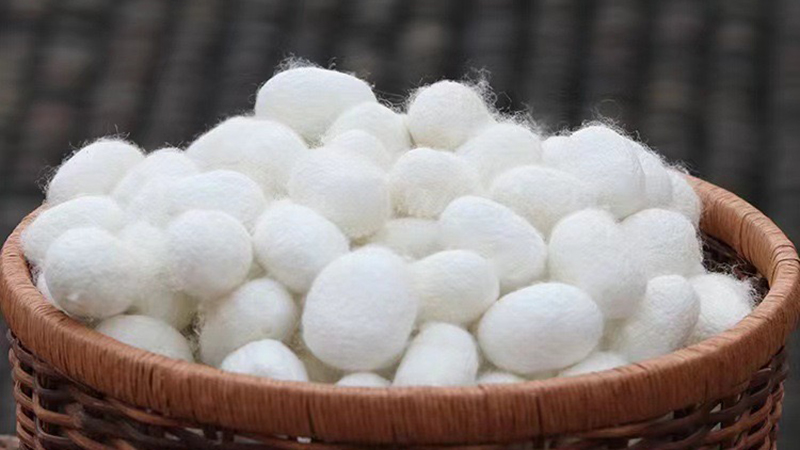
Georgette fabric production involves a complex process that combines advanced textile manufacturing techniques with traditional craftsmanship. The manufacturing of georgette begins with the selection of high-quality fibers, typically silk or synthetic materials like polyester or rayon.
For silk georgette fabric, the process starts with the extraction of silk fibers from silkworm cocoons. These filaments are then reeled together and thrown (twisted) into fine yarns. Synthetic georgette fabrics use artificially produced fibers that undergo a similar spinning process.
The distinctive crepe-like texture of georgette fabric is achieved through a specialized weaving technique. The yarns are tightly twisted in alternating "S" and "Z" directions, creating a high-twist yarn. This twisting process is crucial for producing the characteristic crinkled surface of georgette.
During weaving, the high-twist yarns are interlaced on a loom using a plain weave structure. The tension and alternating twist directions of the yarns cause them to contract slightly after weaving, resulting in the fabric's signature puckered appearance and light, airy feel.
For double georgette fabric, two layers of georgette are woven together, creating a slightly heavier and more opaque material. This variation offers increased durability while maintaining the drape and flow of traditional georgette.
After weaving, the georgette fabric undergoes a finishing process. This may include heat-setting to stabilize the fabric's structure, dyeing to achieve desired colors, and applying treatments for specific properties such as water resistance or improved drape.
The manufacturing of printed georgette fabric involves an additional step. Designs are applied using techniques such as digital printing, screen printing, or roller printing, depending on the complexity of the pattern and production scale.
Chiffon and georgette fabric production share similarities, but georgette's manufacturing process results in a slightly more textured and less sheer material compared to chiffon. The key difference lies in the yarn twisting and weaving techniques employed.
Polyester georgette fabric and other synthetic variations follow a similar manufacturing process, with the main difference being the use of man-made fibers instead of natural silk. These synthetic georgette fabrics often offer increased durability and easier care properties.
The production of specialty georgette fabrics, such as embroidered georgette fabric or sequin georgette fabric, involves additional steps to incorporate decorative elements into the base material. These embellishments are typically added after the main weaving process is complete.
Georgette fabric offers numerous benefits that make it a popular choice for various applications in the fashion and textile industries.
| Advantages | Disadvantages |
|---|---|
| Lightweight and breathable, making it ideal for warm climates and keeping the wearer cool and comfortable. | Delicate nature, prone to snagging or tearing due to its lightweight construction. |
| Exceptional draping quality, creating elegant silhouettes and soft folds for flowy dresses and garments. | Ironing can flatten its crinkled texture, so pressing must be done with low heat or steam only. |
| Highly versatile, easily dyed in various colors, and adaptable to different design techniques like embroidery and beading. | Challenging to sew due to its slippery texture and tendency to fray, requiring special techniques. |
| Durable and resistant to wrinkles, making it low-maintenance and ideal for travel. | Limited durability compared to sturdier fabrics, with a shorter lifespan, especially in high-stress areas. |
| Semi-sheer nature adds sophistication, allowing for layering and creating depth in clothing designs. | Transparency may require additional lining or layering to achieve desired opacity, increasing costs. |
| Holds pleats and gathers well, making it suitable for intricate designs and textured garments. | High-quality georgette, particularly silk georgette, can be expensive. |
| Compatible with various fiber types, offering options like silk, polyester, and viscose georgette at different price points. | Requires special care, such as hand washing or dry cleaning, which can be time-consuming and costly. |
| Available in both casual and formal wear, providing versatility across different applications. | Limited insulation, making it unsuitable for cold weather garments or applications requiring warmth. |
| Creates elegant evening wear and bridal attire due to its graceful draping and soft texture. | Some types, especially synthetic varieties, may have difficulty absorbing dyes evenly, leading to color inconsistencies. |
| Low-maintenance and durable, making it a good choice for travel-friendly clothing. | Prone to static cling, especially in polyester georgette, causing garments to stick to the body or attract dust. |
Georgette earns its place wherever a fabric has to move. It is light, it drapes without stiffness, and the crinkled surface holds print and embroidery without the shine that flattens detail on a satin face. The single largest market for it worldwide is Indian formalwear, where sarees and lehengas use its drape at scale.
In the categories we print, it turns up as scarves and stoles first. The weight is the reason: a georgette square falls in soft folds instead of standing away from the neck, and the matt face reads colour evenly rather than mirroring the light the way a satin-faced silk does.
Beyond accessories, it is used for evening dresses, blouses and hijabs, all cases where breathability and drape matter more than structure. Double georgette, being slightly heavier, is the one to ask for when a garment needs to hold a line; single georgette is for anything meant to fall.
Designers buying georgette by the metre are usually choosing between silk georgette and a poly version. That choice, rather than the use case, is what decides the outcome, and it is worth taking on its own terms below.
Georgette fabric shares similarities with several other lightweight, sheer fabrics, but it possesses unique characteristics that set it apart. Understanding these differences is crucial for selecting the appropriate material for various applications.
Georgette and chiffon are often compared due to their similar appearance and lightweight nature. Both fabrics are sheer and flowy, but georgette fabric has a slightly more textured surface due to its crepe-like weave. Chiffon has a smoother, more transparent appearance. Georgette fabric is generally more durable and less prone to snagging compared to chiffon.
While georgette is a type of crepe fabric, it differs from traditional crepe in its construction. Georgette fabric uses highly twisted yarns in both warp and weft, resulting in a distinctive crinkled texture. Regular crepe fabrics may have varying degrees of twist and texture, ranging from smooth to highly textured surfaces.
Silk georgette drapes softer and takes reactive dye into the fibre, so the colour survives washing and the reverse reads almost as strongly as the face. Polyester georgette copies the look at a fraction of the cost and washes without thought, which is why most of what is sold as georgette online is polyester.
Choose polyester when the piece is decorative, worn occasionally, and washed often — a costume, a sample, a one-season dress. Choose silk when the fabric touches skin for hours: polyester is hydrophobic, so it sits warm against the neck.
Double georgette fabric features two layers of georgette woven together, resulting in a slightly heavier and more opaque material. Single georgette is lighter and more transparent. Double georgette fabric offers improved durability and is less prone to sheerness issues in garments.
Viscose georgette fabric is made from regenerated cellulose fibers, offering a silky feel similar to natural silk. It typically has a softer drape compared to polyester georgette fabric. However, viscose georgette may be less durable and more prone to wrinkling than its polyester counterpart.
Chiffon georgette fabric combines characteristics of both chiffon and georgette. It typically has a smoother surface than traditional georgette but retains some of the textured appearance. This hybrid fabric offers a balance between the transparency of chiffon and the durability of georgette.
Faux georgette fabric refers to synthetic materials designed to mimic the appearance and texture of traditional georgette. These fabrics may use different fiber compositions or manufacturing techniques to achieve a similar look and feel, often at a lower cost.
Understanding these comparisons allows designers, manufacturers, and consumers to make informed decisions when selecting fabrics for various applications, from georgette fabric sarees to georgette fabric dresses and beyond.

Georgette fabric requires special attention to maintain its delicate texture and appearance. Proper care ensures the longevity of georgette garments and accessories. When washing georgette fabric, hand washing is the preferred method. Use cold water and a mild detergent specifically formulated for delicate fabrics. Avoid wringing or twisting the fabric, as this can damage the fibers and distort the shape of the garment.
For georgette fabric sarees or dresses, dry cleaning is often recommended to preserve the intricate designs and embellishments. If dry cleaning is not possible, gentle hand washing is an alternative. When washing silk georgette fabric, extra caution is necessary due to its delicate nature. Avoid using harsh chemicals or bleach on any type of georgette fabric, as these can weaken the fibers and cause discoloration.
Drying georgette fabric requires care to prevent wrinkles and maintain the fabric's shape. Lay the garment flat on a clean, dry towel and reshape it gently. Avoid hanging wet georgette fabric, as this can cause stretching and distortion. Direct sunlight and high heat can damage georgette, so air-drying in a shaded area is ideal.
Ironing georgette fabric helps restore its smooth appearance. Use a low-heat setting on the iron and place a clean, white cloth between the iron and the fabric to prevent direct heat contact. For embellished or beaded georgette fabric, iron on the reverse side to protect decorative elements.
Storing georgette garments properly is crucial for maintaining their quality. Hang georgette fabric dresses and sarees in a cool, dry place away from direct sunlight. Use padded hangers to prevent creasing and maintain the garment's shape. For long-term storage, consider using breathable garment bags to protect against dust and moisture.
When dealing with stains on georgette fabric, act quickly to prevent the stain from setting. Blot the stain gently with a clean, white cloth, avoiding rubbing which can spread the stain. For persistent stains, consult a professional dry cleaner who specializes in delicate fabrics.
By following these care instructions, georgette fabric garments can maintain their beauty and durability, ensuring that items like georgette fabric suits, kurtis, and sarees remain elegant and wearable for years to come.
Related Reading: How To Wash Silk?
Georgette is defined by its twist, not by its fibre. The tightly twisted yarns are what create the crinkled surface, the matt light and the drape, and they do that whether the yarn is silk or polyester. That is why the fabric name alone tells you almost nothing about what you are buying.
The question worth asking a supplier is the fibre content and the weight, in that order. If the answer is silk, the piece will breathe; if it is polyester, you are buying the look and giving that up. We print silk georgette to order with the weight stated on the line, which is the number a poly georgette listing does not carry.
Georgette is a lightweight, sheer fabric known for its crinkled or crepe-like texture. It's typically made from silk, but modern versions can also be made from man-made fibers like polyester or viscose.
Georgette fabric is made using highly twisted yarns in both the warp and weft directions. This twisted yarn creates its characteristic crinkled texture and slight stretch.
Georgette fabric is lightweight, sheer, slightly stretchy, and has a crinkled texture. It is often 12, 14, or 16 momme in weight. It's generally breathable and can be somewhat see-through depending on the weave.
Georgette is commonly used for making flowing dresses, blouses, scarves, and other garments that require a light, drapey fabric. It's popular in both casual and formal wear.
Yes, georgette fabric can be good for summer due to its lightweight and breathable nature. However, its suitability may vary depending on the specific fiber content.
Georgette fabric generally requires gentle care. Hand washing or dry cleaning is often recommended. When ironing, use a low heat setting and press gently to avoid damaging the fabric.
Yes, georgette fabric can be dyed, but the process and results may vary depending on the fiber content. Natural fibers like silk generally take dye better than synthetic versions.
Georgette can shrink slightly, especially if made from natural fibers. It can also wrinkle, though its crinkled texture can sometimes help disguise minor wrinkles.
Sewing georgette requires care due to its delicate nature. Use fine needles, gentle tension, and consider using a stabilizer or tissue paper when cutting and sewing to prevent slipping or puckering.
There are several types of georgette, including silk georgette, polyester georgette, viscose georgette, crepe georgette, and faux georgette. Each type may have slightly different properties.
The sustainability of georgette fabric depends on its fiber content and production methods. Silk georgette may be more sustainable than synthetic versions, but this can vary based on specific manufacturing practices.
Stain removal from georgette should be done carefully. Blot the stain gently with a clean cloth and use a mild detergent suitable for delicate fabrics. For oil stains, a small amount of dish soap can be effective. Always test any cleaning method on an inconspicuous area first.
Georgette fabric can be purchased from fabric stores, both online and in-person. Many textile retailers and fashion fabric suppliers carry various types of georgette.
Georgette can be identified by its lightweight, slightly sheer appearance and distinctive crinkled texture. It also has a slight stretch and a soft, flowing drape.
