
Silk twill and silk satin are two popular fabric weaves that offer distinct characteristics and appearances. Both are luxurious silk fabrics, but they differ in their weaving patterns, texture, and overall look.
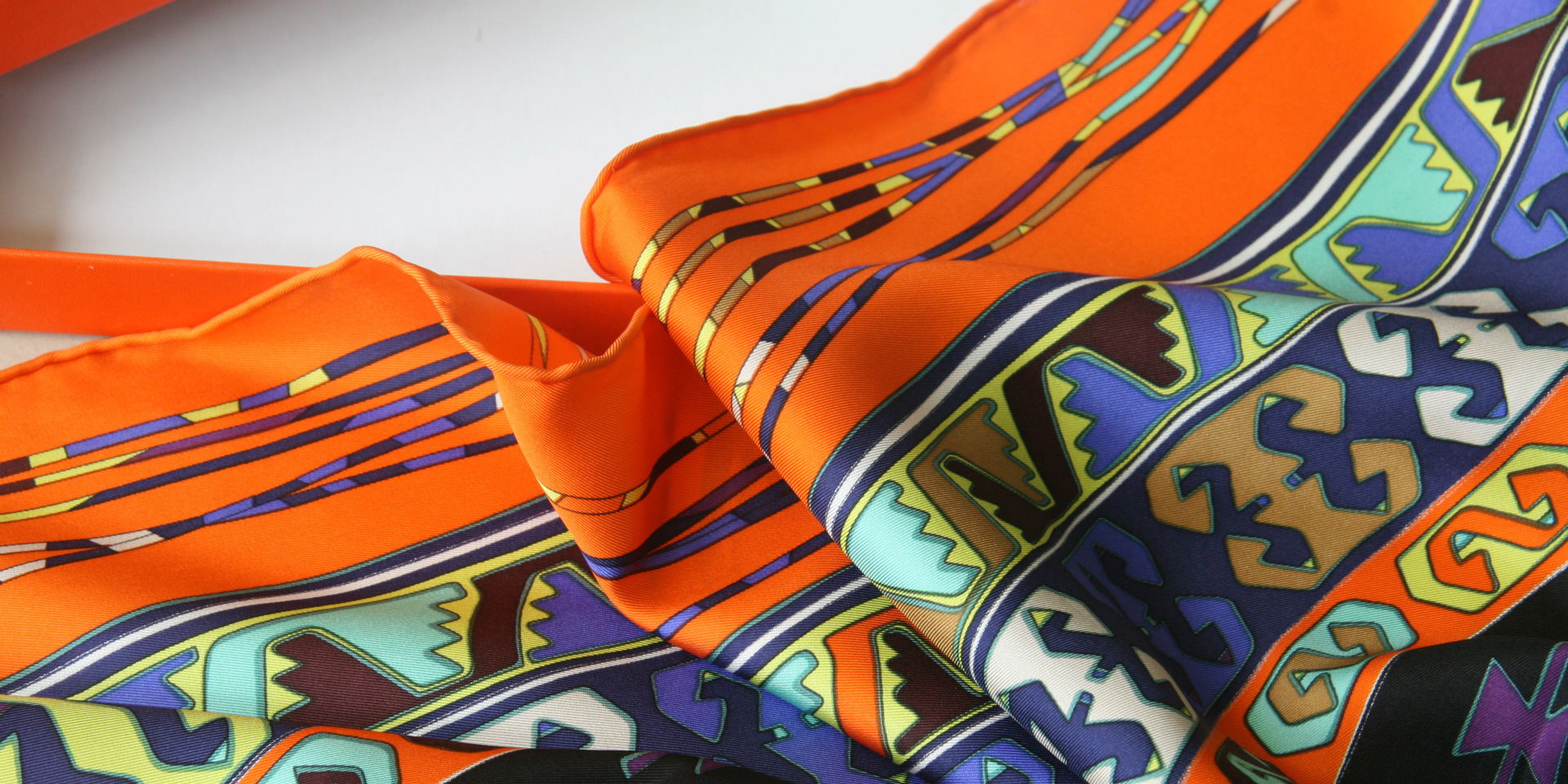
Silk twill is known for its diagonal ribbed pattern, created by a specific weaving technique that results in a durable and versatile fabric. This weave gives the fabric a subtle texture and a more matte finish compared to silk satin.
On the other hand, silk satin is characterized by its smooth, glossy surface and lustrous sheen. The satin weave creates a fabric with a sleek, flowing drape and a luxurious feel against the skin.
The choice between silk twill and silk satin often depends on the desired appearance, intended use, and personal preference. Understanding the differences between these two silk fabrics can help in selecting the right material for various applications, from fashion to home decor.

Silk twill is a luxurious fabric known for its distinctive diagonal weave pattern. This smooth and durable textile is made from silk fibers, resulting in a fabric with a subtle sheen and excellent drape. Silk twill is prized for its versatility and comfort, making it a popular choice for high-end clothing, accessories, and home furnishings.
The unique twill weave of silk twill gives it added strength and resistance to wrinkles compared to other silk fabrics. It is commonly used in creating elegant garments such as suits, dresses, and twilly scarves, as well as in decorative applications like upholstery and drapery. Silk twill's combination of beauty, durability, and comfort makes it a sought-after material in the fashion and interior design industries.
[For more information about silk twill, see What is silk twill?
Silk satin is a luxurious and smooth fabric known for its glossy surface and soft texture. This elegant material is made from silk fibers woven in a satin weave, which creates its characteristic sheen. Silk satin drapes beautifully and has a subtle luster that catches the light, making it a popular choice for high-end clothing and accessories.
Renowned for its comfort and durability, silk satin is commonly used in sleep masks, scarves, and bedding. Its smooth surface and lightweight nature make it comfortable against the skin, while its natural temperature-regulating properties help keep the wearer cool in warm weather and warm in cool conditions. Silk satin is valued for its versatility and timeless appeal in the fashion and textile industries.
[For more information about silk satin, see What Is Silk Satin?

Silk twill and silk satin are often compared due to their luxurious nature, yet they possess distinct characteristics that set them apart. These differences significantly influence their appearance, feel, and suitability for various applications in fashion and home decor.
The fundamental difference between silk twill and silk satin lies in their weave structure, which significantly impacts their appearance, texture, and overall characteristics.
Silk twill features a distinctive diagonal pattern created by passing the weft thread over one or more warp threads, then under two or more warp threads, and repeating this process. This diagonal pattern is visible on both sides of the fabric, though one side may be more pronounced. The twill weave typically creates a fabric with a subtle, textured surface and a slight sheen.
In contrast, silk satin employs a satin weave structure. This weave is characterized by long floats of warp threads that pass over several weft threads before going under one. The result is a smooth, lustrous surface on one side of the fabric, while the reverse side has a duller appearance. The long floats in the satin weave allow more light to reflect off the fabric's surface, contributing to its signature glossy sheen.
The number of warp threads that float over the weft threads can vary, leading to different types of satin weaves. For example, a 4/1 satin weave means that each warp thread floats over four weft threads before going under one. Common satin weaves include 3/1, 4/1, 5/1, and 7/1 structures.
These distinct weave structures not only affect the visual appearance of silk twill and silk satin but also influence their handling properties, durability, and suitability for various applications in fashion and interior design.

Silk twill and silk satin exhibit distinct visual characteristics that set them apart from one another. The appearance of these two silk fabrics is primarily influenced by their unique weave structures, resulting in different surface textures and light reflection properties.
Silk twill is characterized by its diagonal ribbed pattern, which creates a subtle, textured surface. The twill weave produces a series of parallel diagonal lines that run across the fabric. This distinctive pattern gives silk twill a more structured and less shiny appearance compared to silk satin. The diagonal lines can vary in width and prominence, depending on the specific twill weave used.
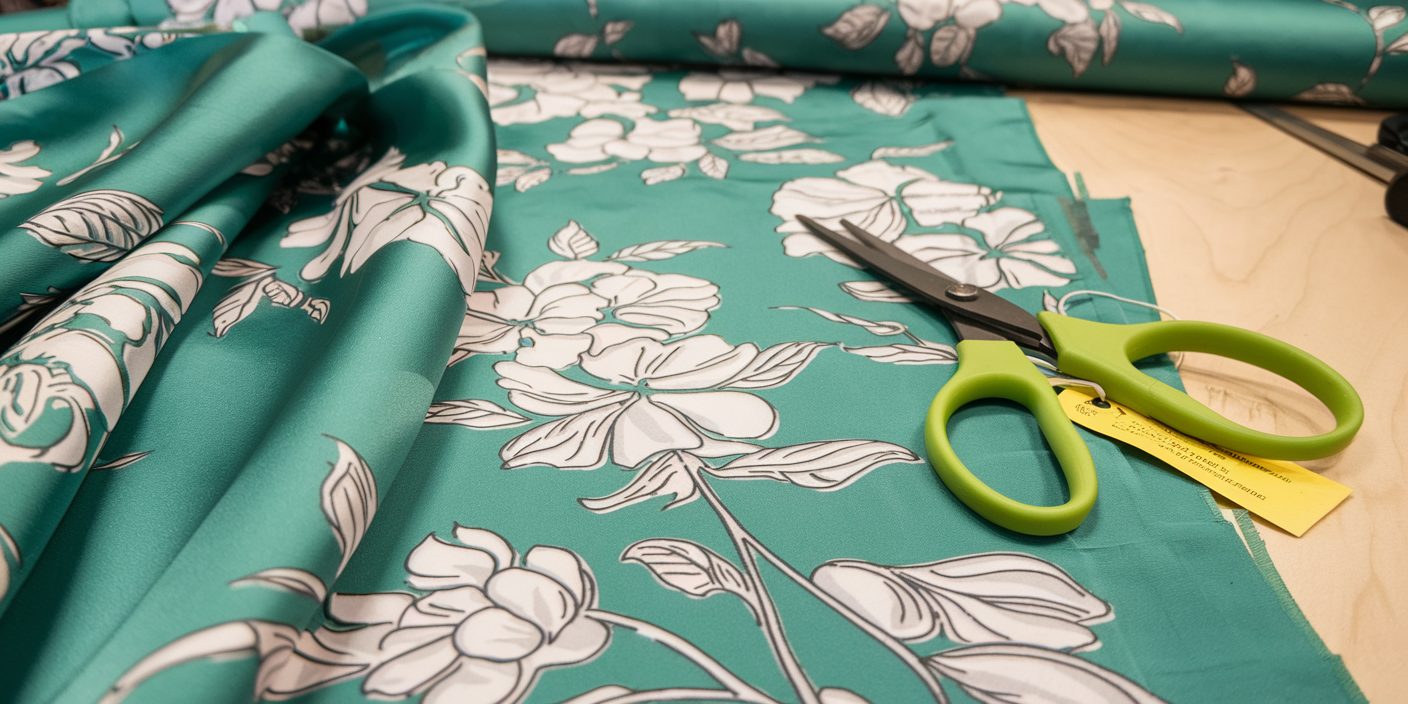
In contrast, silk satin boasts a smooth, lustrous surface that is instantly recognizable. The satin weave structure allows for long floats of thread on the fabric's surface, creating a glossy sheen that reflects light brilliantly. This high-shine quality is the hallmark of silk satin, giving it a luxurious and elegant look. The face side of silk satin appears sleek and uniform, while the back side may have a duller, more matte finish.
The difference in appearance between silk twill and silk satin is particularly noticeable when the fabrics are draped or in motion. Silk twill tends to have a more subdued luster, with light playing off the diagonal lines to create a subtle, dynamic effect. Silk satin, on the other hand, exhibits a more dramatic interplay with light, producing eye-catching highlights and shadows as the fabric moves.
These distinct visual qualities make silk twill and silk satin suitable for different applications in fashion and interior design, where their unique appearances can be leveraged to achieve specific aesthetic goals.
When comparing silk twill and silk satin, durability is an important factor to consider. Both fabrics are made from silk fibers, but their weave structures contribute to differences in their longevity and resistance to wear and tear.
Silk twill generally exhibits greater durability than silk satin. The diagonal weave pattern of twill creates a stronger, more robust fabric structure. This interlocking pattern distributes stress more evenly across the fabric, making silk twill more resistant to abrasion and less prone to snagging or tearing.
In contrast, silk satin's smooth surface, created by its floating warp or weft threads, can be more susceptible to snags and pulls. The long floats in satin weave, while contributing to its lustrous appearance, also make the fabric more delicate and potentially less durable in high-wear situations.
However, it's important to note that both silk twill and silk satin are still considered luxury fabrics and require proper care to maintain their quality. Ultimately, the durability difference between silk twill and silk satin should be considered in the context of the intended use.
Silk twill and silk satin, while both made from 100% mulberry silk, have distinct typical uses due to their unique characteristics.
Silk twill finds extensive application in high-end fashion and accessories. Designers often choose silk twill for tailored garments such as suits, blazers, and trousers. The fabric's durability and subtle sheen make it ideal for structured pieces that require a polished appearance. Silk twill is also popular for neckties, scarves, and pocket squares, where its diagonal weave adds visual interest and texture.
In contrast, silk satin is prized for its smooth, glossy surface and fluid drape. These properties make silk satin a favorite for evening wear, bridal gowns, and lingerie. The fabric's ability to catch and reflect light creates a glamorous effect, perfect for red carpet events and formal occasions. Silk satin is also commonly used in bedding, particularly for pillowcases and sheets, as its smooth texture is gentle on skin and hair.
Both silk twill and silk satin find applications in home decor. Silk twill is often used for upholstery, draperies, and decorative pillows, where its durability and subtle sheen enhance the elegance of interior spaces. Silk satin, with its luxurious feel and light-reflecting properties, is frequently chosen for decorative accents, such as throw pillows, bed runners, and curtains in opulent settings.
In the world of accessories, silk twill is preferred for structured handbags and belts, while silk satin is often used for evening clutches and delicate hair accessories. The choice between silk twill and silk satin ultimately depends on the desired aesthetic, functionality, and the specific requirements of the end product.
The care requirements for silk twill and silk satin differ slightly due to their unique weave structures and properties. Both fabrics require gentle handling, but specific care instructions vary to maintain their distinct characteristics.
Silk twill typically demands less meticulous care compared to silk satin. The twill weave structure provides better durability, making silk twill more resistant to wrinkles and creases. Washing silk twill can often be done by hand using cool water and a mild detergent specifically formulated for delicate fabrics. After washing, gently squeeze out excess water without wringing, and lay flat to dry away from direct sunlight.
Silk satin, on the other hand, requires more careful attention. The smooth, lustrous surface of satin is more prone to snagging and water spots. Dry cleaning is often recommended for silk satin garments to preserve their sheen and prevent damage. If hand washing is necessary, use cool water and a gentle detergent, avoiding any rubbing or twisting of the fabric. Silk satin should be dried flat or hung to prevent distortion of its delicate weave.
Ironing techniques also differ between the two fabrics. Silk twill can generally withstand slightly higher heat settings, though it's still advisable to use a low temperature and place a pressing cloth between the iron and the fabric. Silk satin requires extra caution when ironing; use the lowest heat setting and always iron on the reverse side to prevent damaging the smooth face of the fabric.
Both silk twill and silk satin benefit from proper storage in breathable garment bags to protect them from dust and sunlight. By following these specific care instructions, the unique qualities of each fabric can be preserved, ensuring longevity and maintaining their luxurious appearance.
Durable: Strong fabric structure due to the diagonal weave pattern
Elegant drape: Excellent flow, creating elegant silhouettes
Wrinkle-resistant: Maintains a polished appearance
Versatile: Suitable for various garments and accessories
Comfortable: Soft against the skin
Sophisticated appearance: Natural sheen and luster
All-season wear: Breathable and moisture-wicking properties
Vibrant colors: Holds dye well
Expensive: More costly than many other fabric options
High maintenance: Requires careful handling and special care when cleaning
Water-sensitive: Prone to water stains if not properly protected
Wear patterns: May show in high-friction areas over time
Less casual: Its luxurious look can feel too dressy for very casual outfits
Challenging to work with: Can be slippery during garment construction
Professional care: May require professional pressing or steaming
Sensitive to environment: Susceptible to damage from sunlight and harsh chemicals
Luxurious: Opulent appearance and feel
Glossy: Smooth surface with a beautiful sheen
Comfortable: Lightweight and pleasant to wear
Excellent drape: Great for clothing and decor
Temperature-regulating: Naturally adapts to body temperature
Skin-friendly: Hypoallergenic and suitable for sensitive skin
Long-lasting: Durable when properly cared for
Rich colors: Absorbs dye well, resulting in vibrant hues
Formal wear: Ideal for special occasion garments
Costly: Expensive compared to many other fabrics
Delicate: Requires careful handling
Water-sensitive: Prone to water stains and moisture damage
Difficult to sew: Can be slippery and challenging to work with
Wrinkle-prone: May require frequent ironing
Sun-sensitive: Susceptible to damage from direct sunlight
Expensive maintenance: Dry cleaning often recommended
Stain-prone: May show perspiration stains more readily
Limited use: Not suitable for all types of clothing or casual wear
Choosing between silk twill and silk satin depends on various factors, including the intended use, desired appearance, and personal preferences. Both fabrics offer unique characteristics that make them suitable for different applications.
Silk twill is known for its durability and strength. The diagonal weave pattern of silk twill creates a fabric that is more resistant to wrinkles and creases compared to silk satin. This makes silk twill an excellent choice for garments that require frequent wear or travel, such as business attire or versatile dresses.
Silk satin, on the other hand, is prized for its lustrous sheen and smooth surface. The satin weave structure produces a fabric with a glossy face and a duller back. This luxurious appearance makes silk satin ideal for formal wear, evening gowns, and special occasion garments where a glamorous look is desired.
In terms of drape, silk satin typically offers a more fluid and flowing silhouette. This characteristic makes it suitable for designs that require graceful movement and elegant lines. Silk twill, while still having a good drape, tends to hold its shape better, making it appropriate for structured garments or tailored pieces.
Consider the fabric's breathability when making your choice. Silk twill generally provides better air circulation due to its weave structure, making it more comfortable for everyday wear or in warmer climates. Silk satin, while still breathable, may feel less airy in comparison.
Maintenance is another factor to consider. Silk twill is often easier to care for, as its tighter weave makes it less prone to snagging and more resistant to wear and tear. Silk satin requires more delicate handling and may be more susceptible to damage from rough surfaces or jewelry.
For those concerned with sustainability, both silk twill and silk satin can be eco-friendly options when sourced responsibly. However, silk twill's durability may give it an edge in terms of longevity, potentially reducing the need for frequent replacements.
Ultimately, the choice between silk twill and silk satin should be based on the specific requirements of your project or garment. Consider factors such as the intended use, desired aesthetic, comfort, maintenance, and longevity to make an informed decision that best suits your needs.

In the world of luxurious fabrics, silk twill and silk satin stand out as two exquisite options, each with its unique characteristics and applications. While silk twill boasts durability, excellent drape, and wrinkle resistance due to its diagonal weave, silk satin offers a smooth, glossy surface with unparalleled sheen.
Both fabrics share the natural benefits of silk, including breathability, temperature regulation, and hypoallergenic properties. However, they differ in texture, light reflection, and typical uses, with silk twill being more versatile and silk satin often reserved for formal wear. Understanding these differences allows fashion enthusiasts and designers to make informed choices when selecting the perfect silk fabric for their needs.
Ready to elevate your textile projects with premium silk fabrics? Look no further than UR Silk, your trusted custom silk products manufacturer. Whether you're seeking the durability of silk twill or the luxurious sheen of silk satin, our expert team can guide you through the selection process and create bespoke silk products tailored to your specifications.
Contact UR Silk today for a personalized consultation and experience the unparalleled quality of our custom silk offerings. Don't settle for anything less than the finest – choose UR Silk for all your silk fabric needs.